
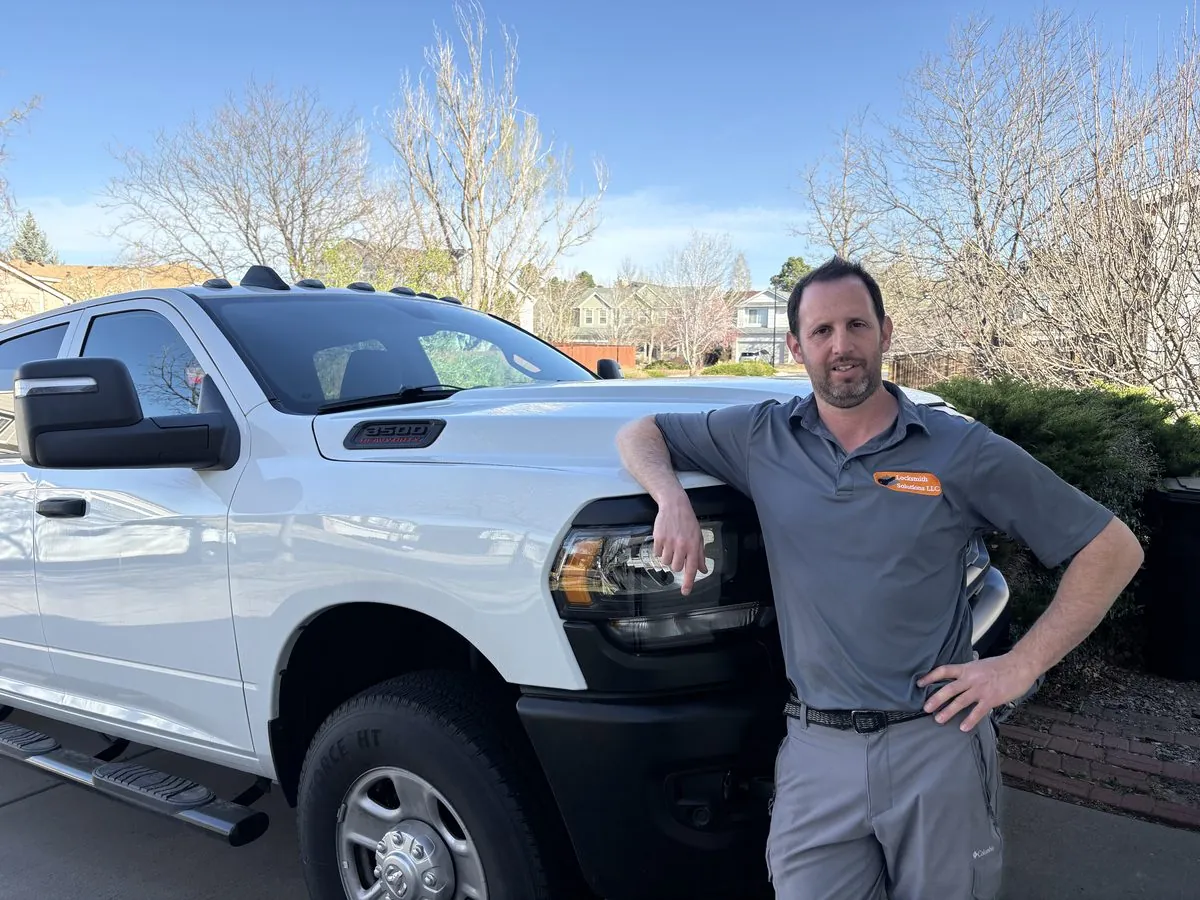
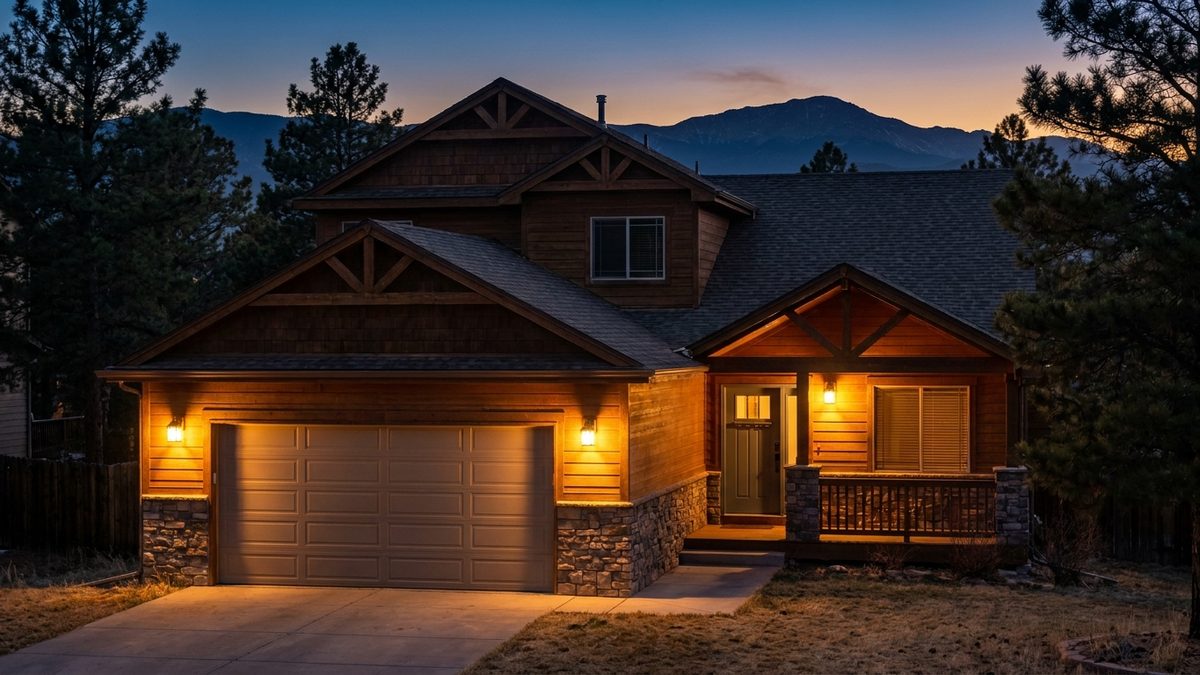
Because I run both Locksmith Solutions LLC and Springs Garage Door Services here in Colorado Springs, I see the same blind spot almost every day: homeowners spend good money on heavy front door hardware and a myQ smart garage opener, then leave the interior door between the garage and the kitchen completely unlocked—often with nothing more than a flimsy passage knob on it.
A smart garage opener is one of the most useful upgrades you can make on a house. You get phone alerts when the door is left up, scheduled auto-close at night, and a simple way to let in a family member or a package delivery. Gently put, though, an overhead garage door is a moving wall, not a bank vault. Relying on it as the only barrier between the street and your hallway leaves a gap that is very easy to close once you see how the two doors work together.
4 Ways Someone Gets Inside a Closed Garage
Even with modern LiftMaster and Chamberlain rolling-code encryption, the overhead door gets bypassed in ways that have nothing to do with hacking radio signals:
- The remote on the visor. A car parked in the driveway overnight with a garage remote clipped to the sun visor is the single most common way burglars open an attached garage in El Paso County. Breaking a car window takes three seconds; pressing the visor button opens the garage quietly.
- Shared codes and old guest access. Exterior keypads and shared smart-garage logins get handed out to contractors, dog walkers, neighbors, and former tenants and then stay active for years.
- In-garage deliveries and service visits. When you open the garage from your phone for a courier or a repair tech, you are intentionally letting a stranger into the garage while you are away.
- The emergency release cord. On older or poorly adjusted doors with top-panel play, the red manual release cord hanging from the opener trolley can sometimes be fished from outside if the top strut is flexed.
In every one of those scenarios, the overhead door opens cleanly. What happens next depends entirely on the door leading from the garage into your house.
Treat the Garage-to-House Door Like Your Real Front Door
For most households, the door from the garage into the mudroom or kitchen is the front door—it gets used ten times a day while the actual front porch door only opens for guests. Yet builders routinely fit that interior garage door with a basic key-in-knob latch and Half-inch screws into soft pine trim, with no deadbolt at all.
The reason families leave that door unlocked is simple: nobody wants to dig for a house key inside their own garage while carrying groceries or kids. That is why a garage entry door keypad or smart deadbolt is the single highest-value lock upgrade in a home with an attached garage:
- Auto-lock closes the human habit gap. Set the keypad deadbolt to re-lock automatically 60 seconds after the door closes. You never have to remember to turn a thumbturn at bedtime, and a delivery driver inside the garage cannot open the house door.
- Hands-free or one-touch entry for the family. You walk in from the car, tap a four-digit code or touch a fingerprint reader, and walk straight into the kitchen.
- Two-layer access control. If a cleaner or pet sitter needs into the house, they get a time-limited code on both the garage and the interior deadbolt. If someone only needs to drop off boxes or tools in the garage, the house stays locked.
Why Fire-Rated Garage Doors Make Smart Locks Jam (and How to Fix It)
If you have ever tried putting a motorized smart deadbolt on a garage-to-house door yourself and watched it beep, jam, and chew through batteries in three weeks, the lock was probably fine. The door hardware around it was the culprit.
Building codes require the door between an attached garage and living space to be fire-rated (solid core or steel), fitted with tight smoke and draft weatherstripping, and hung on self-closing spring hinges. Those spring hinges pull the door shut, but they often do not have quite enough snap at the final quarter-inch to compress stiff cold-weather weatherstripping. The latch catches, yet the door sits slightly proud. When the smart lock's small electric motor tries to push the deadbolt out, the bolt slams into the edge of the strike plate instead of sliding into the hole.
When we install a smart lock on a garage entry door, we spend half the visit on the door mechanics: tuning the spring hinge tension so the door seats without slamming, deepening the pocket in the framing, filing or repositioning the deadbolt strike plate so the bolt throws with zero rubbing, and anchoring the strike with 3-inch screws into the jack stud. See our guide on reinforcing a door frame against kick-ins for why those long screws matter.
Setting Up Both Sides of a Smart Garage Entry
A secure garage entry has two halves that work together: an overhead opener whose sensors, force limits, and WiFi connection are set properly, and an interior door that locks itself and resists force. If your overhead opener needs a myQ hub or a new quiet belt-drive unit, see our companion guide on the garage side: myQ smart garage setup in Colorado Springs: what actually goes wrong, or check out smart garage door opener and myQ installation at Springs Garage Door Services.
Pro Tip from Locksmith Solutions LLC
Take the clip-on garage remote out of any vehicle that parks outside overnight. Either use the built-in HomeLink buttons that turn off with the ignition, or open the garage from the myQ app on your phone so a broken car window never gives someone a button into your garage.
Frequently Asked Questions
Is an overhead garage door opener enough to keep a home secure?
No. Even with rolling-code encryption and a myQ app, an overhead door can still be opened with a remote stolen from a car parked in the driveway, a shared guest login, or the emergency release cord if the top panel is pried back. The interior door between the garage and the house should always be treated as an exterior door with a deadbolt.
Why do smart locks jam on garage entry doors more often than front doors?
Garage-to-house doors are required to be fire-rated and usually hang on self-closing spring hinges with thick perimeter weatherstripping. The spring hinges often stop the door a fraction of an inch short of fully compressing the seal, so a motorized smart deadbolt hits the edge of the strike plate instead of sliding into the pocket. Adjusting the strike plate and hinge tension fixes the problem.
Should I use in-garage delivery if my interior garage door does not have a deadbolt?
We strongly recommend putting a deadbolt or an auto-locking keypad deadbolt on the interior door before enabling in-garage delivery or giving tradespeople garage access. That way a driver or contractor can use the garage while your living space remains locked.
Can one technician set up both the smart garage opener and the interior door lock?
Yes. Eyal runs both Locksmith Solutions LLC and Springs Garage Door Services in Colorado Springs, so the overhead smart opener and the interior smart deadbolt can be installed and aligned together.
Ready to secure your garage entry door?
Call Locksmith Solutions LLC for keypad deadbolts, fresh deadbolt boring, and smart lock installation across Colorado Springs and El Paso County.